Sidr vs Acacia Honey: Which One Suits Your Kitchen?
Sidr (beri) vs acacia (babul/palosa) honey: colour, taste, texture, kitchen uses and price in Pakistan, plus simple home checks and what they can't prove.

Honey gone thick and grainy in winter? Why honey crystallizes in the cold, why that doesn't prove real or fake, how Sidr and acacia behave, and how to soften and store it safely.
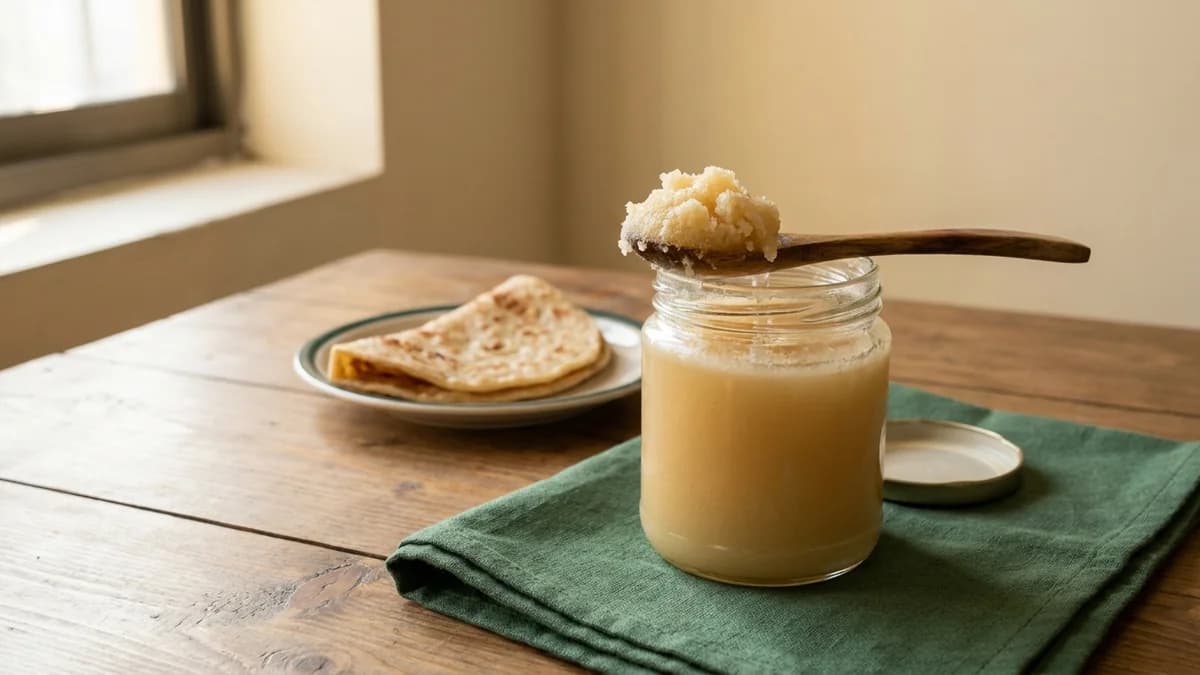
Does honey crystallize in winter? Yes, it can. It turns thick, cloudy or grainy, sometimes so firm that a spoon stands up in it. This is a natural change, not spoilage, and you can soften it again. But crystallizing on its own does not tell you whether honey is real or mixed. Here is why it happens, how to soften it safely, and how to store it.
Key points:
Yes. Cool weather is the most common reason a jar of honey sets. It does not mean the honey has gone bad or that sugar was added. The honey has simply cooled into the range where its sugars form crystals. Warm it gently and it pours again.
People often say honey "freezes" in winter, but honey has very little water, so it does not freeze solid like water, even in a home freezer. It just becomes very thick.
What you see in winter is crystallization. Honey is mostly two natural sugars, glucose and fructose. Glucose dissolves less easily, so when the honey cools, some glucose separates and forms crystals. Fructose stays liquid. As more crystals form, the honey turns cloudy, then grainy, then firm, and its colour gets lighter, often pale gold or creamy white. That is why many people say it looks like desi ghee.
Set honey does not always look the same:
Honey crystallizes fastest at roughly 10–15°C. An unheated room in Peshawar, Islamabad or Lahore in December and January, especially at night, can easily sit in that range. A jar that stayed runny all summer can set within a few weeks once the cold comes.
The fridge keeps the jar cold every day, so honey sets faster there than in a cupboard. A closed jar of honey does not need the fridge.
If your Sidr jar sets first, that is normal. For taste, colour and uses, see our Sidr vs acacia honey comparison.
Search "original honey freeze in winter" or "does pure honey crystallize" and you will find two opposite claims. Both are wrong.
The answer: crystallizing is not a test. It tells you about temperature and sugar balance, not whether a jar is real.
Warm only what you will use soon; re-warming the same jar many times can change its taste.
A glass jar handles a warm water bath well. A plastic bottle can bend in hot water, so use only lukewarm water, or spoon the honey into a clean, dry glass jar first.
You don't have to soften it at all. Set honey spreads well on warm roti, paratha or toast. For a winter drink, stir a spoon into warm (not boiling) kesar doodh, made the way we show in our saffron cooking guide.
To avoid both, keep honey dry: a tight lid and a dry spoon every time.
These are clues, not proof, and crystallizing is not one of them. Only a food testing lab can confirm what is in a jar. Our Sidr honey guide and the Sidr vs acacia post explain the common checks and their limits.
Our Sidr honey (beri ka shahad) is sold unfiltered in 1 kg and 500 g glass jars. It is thick, smooth and dark, from wild beri trees in the Karak and Himalayan areas, as stated on our listing. At the time of writing (Oct 2026), the 1 kg jar is Rs 4,200 and the 500 g jar is Rs 2,100.
Our acacia (palosa) honey is light in colour with a mild floral sweetness, for tea and breakfast. At the time of writing (Oct 2026), it is Rs 1,600. Both are unfiltered, so either may crystallize in cold weather; the warm water bath above brings it back. Prices can change, so check the product pages, or browse all honey.
How to order:
Who should be careful: never give honey to babies under 1 year old. Honey is mostly natural sugar, so keep portions moderate. This is a food product, not a medicine. If you are pregnant, breastfeeding, on medication or have a medical condition, ask your doctor first.
Send it to someone who’d find it useful.
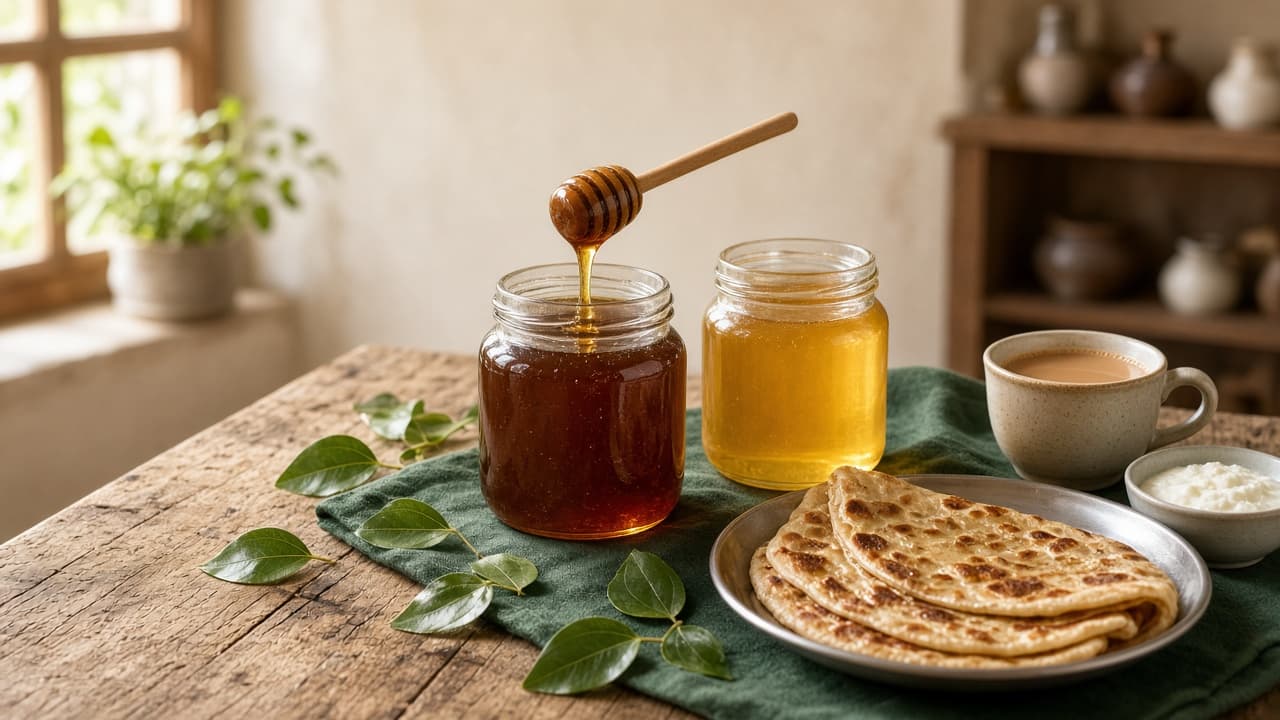
Sidr (beri) vs acacia (babul/palosa) honey: colour, taste, texture, kitchen uses and price in Pakistan, plus simple home checks and what they can't prove.
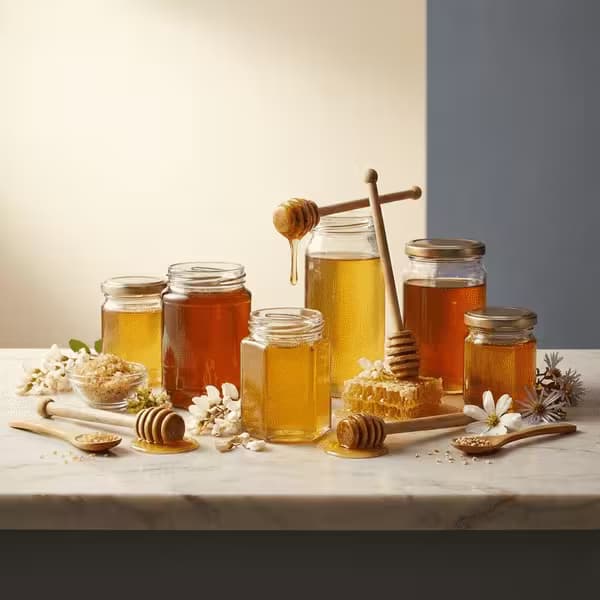
What sidr (beri) honey is, how it is traditionally used, how to check a jar for purity at home, and why sidr honey prices vary so much in Pakistan.
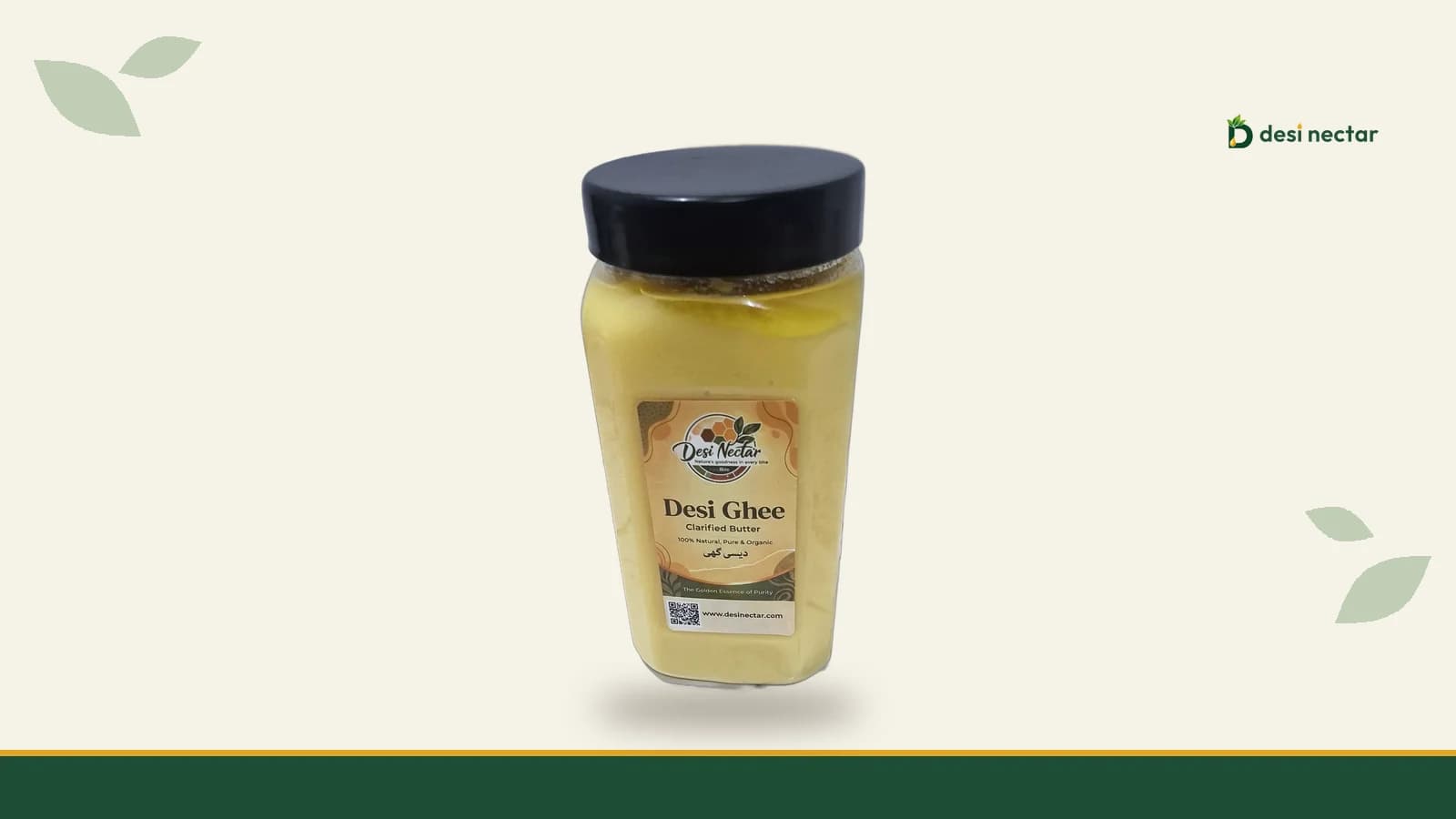
Desi ghee ki pehchan made simple: the label, seller and price checks, the home checks that give useful clues, the popular tests that mislead, and what only a lab can tell you.