Sidr Honey Benefits, Purity and Price in Pakistan
What sidr (beri) honey is, how it is traditionally used, how to check a jar for purity at home, and why sidr honey prices vary so much in Pakistan.
Sidr (beri) vs acacia (babul/palosa) honey: colour, taste, texture, kitchen uses and price in Pakistan, plus simple home checks and what they can't prove.
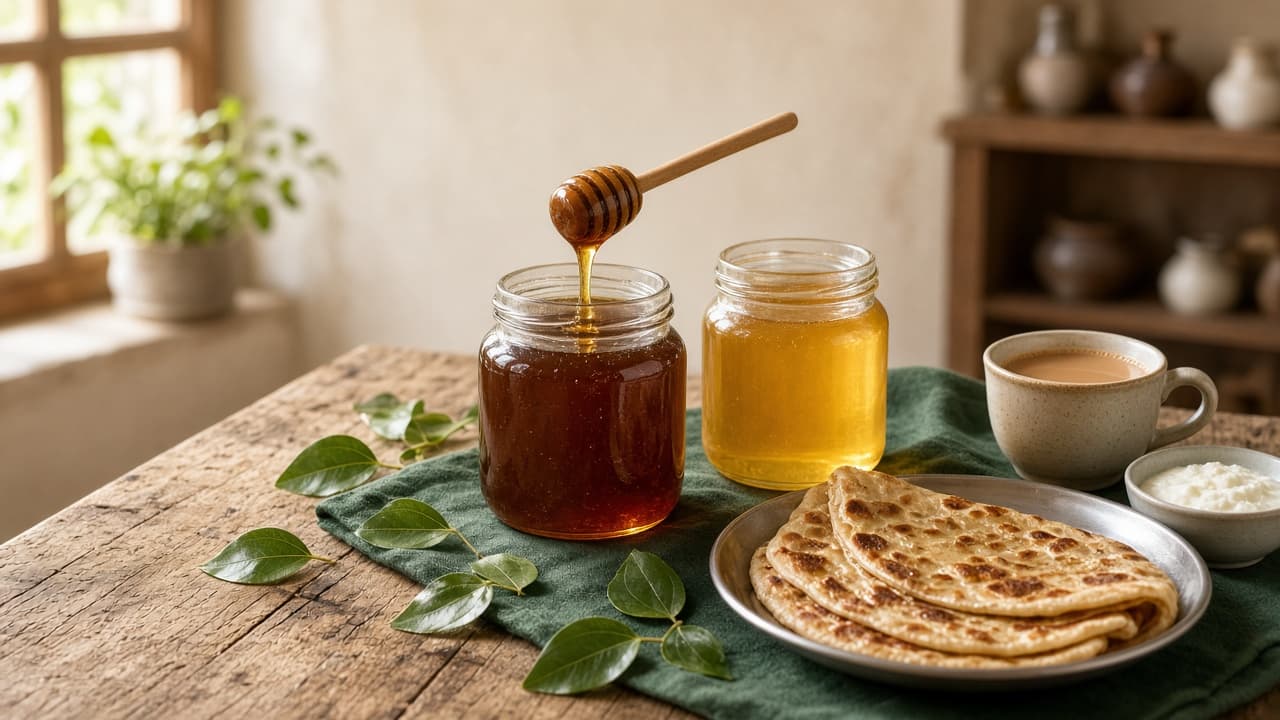
In most Pakistani homes, two honeys come up again and again: Sidr honey (beri ka shahad) and acacia honey (babul or palosa). They look, taste and cost different, and people often buy one when they wanted the other. This guide compares them as food: colour, taste, kitchen uses, price, and how to look at a jar honestly before you buy.
In short: - Sidr (beri) honey is dark, thick and rich, with a caramel, slightly herbal taste. It is seasonal and costs more. - Acacia (babul/palosa) honey is light, clear and mild, with a soft floral sweetness that doesn't overpower tea. - Home checks are only indicators. Neither taste nor colour can prove which flower a honey came from; only a lab can.
Sidr honey comes from bees feeding on the flowers of the sidr tree (Ziziphus), called beri in Urdu and Pashto. Beri grows in dry, hot areas and flowers once a year for a short stretch, so Sidr honey is seasonal and limited. Honey mostly from one flower is called monofloral. Our raw Sidr honey is sold as monofloral, raw and unfiltered, and the listing states it is collected from wild Sidr trees in the Karak and Himalayan areas.
In the jar, Sidr honey is dark amber to brown. It pours slowly. The smell is deep, a little like caramel, and the taste has a gentle warmth or slight bitterness at the back of the throat, not just plain sweetness.
In Pakistan, "acacia honey" usually means honey from acacia-family trees known locally as babul and palosa. It is the opposite of Sidr in character: light golden in colour, clear and smooth, with a delicate floral sweetness.
Because it is mild, it doesn't fight with the taste of tea, and children often prefer it on bread. Our raw acacia honey (babul/palosa) is sold raw and unfiltered.
Use Sidr where you want to taste the honey itself:
Acacia is the "goes with everything" honey:
Many families keep both: acacia for the daily cup of tea and Sidr for the spoonful, breakfast and winter drinks.
"My honey has gone thick and grainy. Is it fake?" Usually, no. Raw honey naturally crystallises (sets), especially in cool weather. How quickly it sets depends mainly on the honey's natural sugar balance and the temperature. Acacia honey usually sets more slowly than many other honeys, so don't be surprised if your Sidr jar sets first in December.
To soften a set jar, stand it in a bowl of warm water for a while. Don't boil it or microwave it.
Home checks can catch honey that is obviously thin or watered down. They cannot prove purity, or whether a jar is truly Sidr or acacia. Treat them as indicators, not lab tests.
Popular tests such as burning honey on a matchstick or "ants won't touch it" are not reliable, so we don't recommend them.
What can actually confirm it? A laboratory. Labs measure things like moisture and the sugar profile to look for added sugar, and a pollen analysis shows which flowers the nectar came from. That is the only real way to show that "Sidr" is Sidr. If any seller (including us) says a honey is lab-tested, ask to see the report with a batch number and date.
At Desi Nectar, at the time of writing (October 2026), Sidr honey is Rs 2,100 for 500 g and Rs 4,200 for 1 kg (Rs 420 per 100 g), and acacia honey is Rs 1,600. Prices can change, so check the product page for today's price and pack size.
Sidr usually costs more for simple reasons:
Keep the jar tightly closed in a cool, dry cupboard, away from sunlight, and always use a dry spoon. Don't refrigerate it; the fridge only makes it set faster.
Honey is a food and mostly natural sugar. Never give honey to babies under 12 months. If you have diabetes or another medical condition, speak to your doctor before adding honey to your diet.
Read next: Sidr Honey Benefits, Purity and Price in Pakistan · Original Saffron (Zafran) in Pakistan: Price and How to Check It
This is a food product, not a medicine. If you are pregnant, breastfeeding, on medication or have a medical condition, consult your doctor. Never give honey to infants under 12 months.
Send it to someone who’d find it useful.
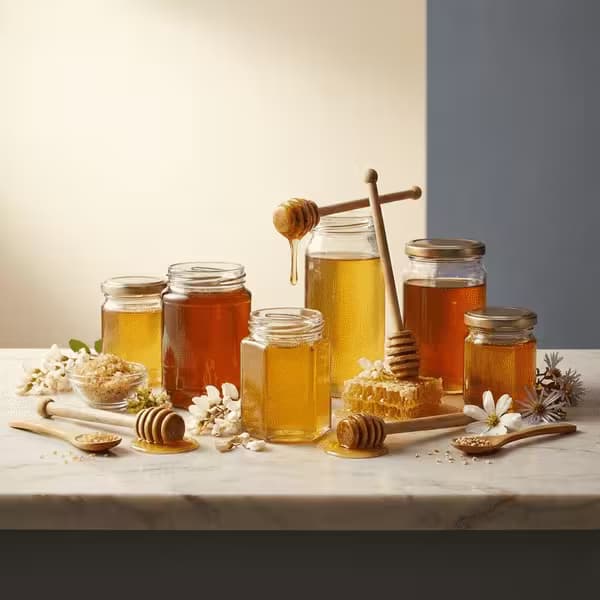
What sidr (beri) honey is, how it is traditionally used, how to check a jar for purity at home, and why sidr honey prices vary so much in Pakistan.
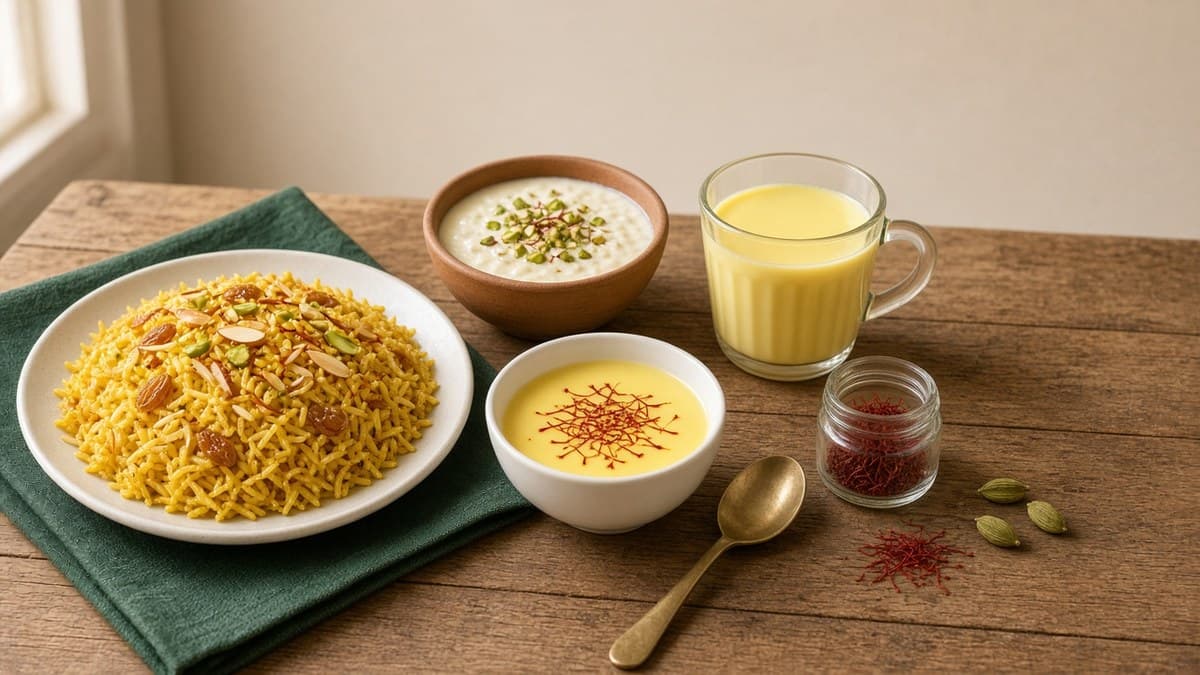
How to use saffron (zafran, kesar) in Pakistani cooking: how to soak the threads, how many to use, and when to add them to kesar doodh, kheer, zarda, biryani and Peshawari kahwa, plus common mistakes and storage tips.
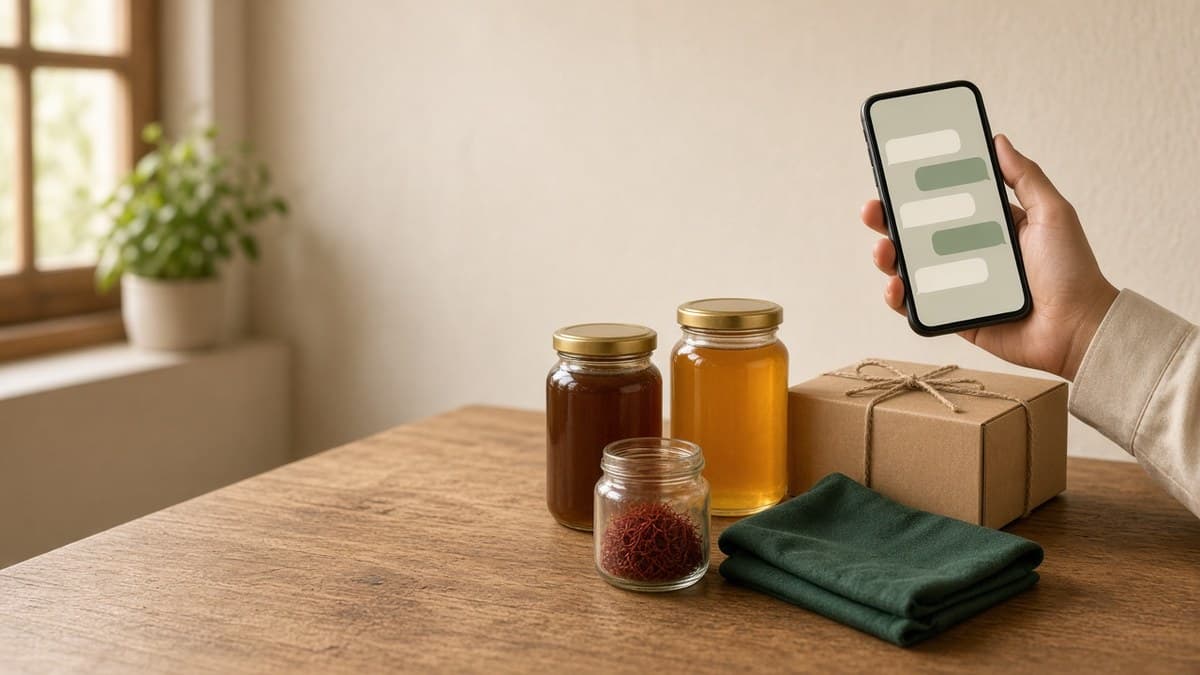
A step-by-step guide to ordering Desi Nectar honey, saffron, ghee and tea on WhatsApp (0305 5928890): what to send, how cash on delivery works, the Rs 220 delivery charge on orders under Rs 2,000 (free over Rs 2,000), same-day delivery in Peshawar and Islamabad, and what to do if a parcel arrives damaged.