Sidr vs Acacia Honey: Which One Suits Your Kitchen?
Sidr (beri) vs acacia (babul/palosa) honey: colour, taste, texture, kitchen uses and price in Pakistan, plus simple home checks and what they can't prove.

What sidr (beri) honey is, how it is traditionally used, how to check a jar for purity at home, and why sidr honey prices vary so much in Pakistan.
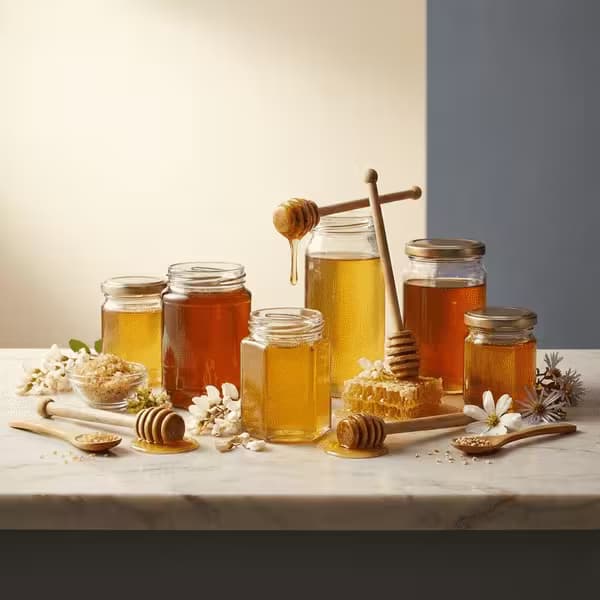
Sidr honey is a dark, thick honey made by bees that feed on the flowers of the sidr tree (Ziziphus spina-christi, called beri in Urdu and Pashto). It is a seasonal honey, it costs more than ordinary blends, and it is one of the most commonly faked honeys on the Pakistani market. This guide covers what it is, how it is traditionally used, how to check a jar at home, and why the price varies so much.
The sidr tree grows in dry, hot country across Pakistan, Afghanistan and the Gulf, and it flowers only for a short stretch of the year. Bees working those blossoms produce what is called a mono-floral honey: one main source of nectar instead of a mix. That is why sidr honey tastes different from the lighter acacia (babul) honey many families use every day.
At Desi Nectar we sell it raw, which means it is not heated or heavily filtered. Raw honey can set or turn cloudy in cold weather. That is normal and not a sign of a problem. The raw Sidr honey 1kg product page lists the pack details and what the label says about its source.
Dark amber to brown, thick and slow to pour. The smell is rich, a little like caramel with a herbal edge. The taste is not just sweet: you get a slight bitterness or warmth at the back of the throat. Very pale, watery and sugary honey sold as "sidr" deserves a second look.
In Pakistani and Arab households sidr honey is traditionally taken by the spoonful, stirred into warm (not boiling) water or tea, or kept for winter colds and sore throats. Many people value it for its flavour and as a natural sweetener. Some small studies on honey in general look at throat and cough relief, but honey is not a treatment for any disease, and sidr honey is still mostly sugar.
These checks are indicative only. A lab test is the only conclusive way to know what is in a jar.
You will see a wide spread of prices for sidr honey online, and the cheapest jars are often not what they say. A few things push the real price up: the short flowering season, wild trees that nobody can plant on demand, the small yield per hive, and the cost of getting it from remote areas to a city. Prices also change from season to season, so we do not print a figure here. For the current price and pack sizes of our honey, see Sidr honey price in Pakistan (500g & 1kg).
Keep the jar tightly closed in a cool, dry cupboard, use a dry spoon, and skip the fridge. We deliver across Pakistan from Peshawar. Delivery times and fees are on the shipping and delivery page. If you are comparing honeys, our honey and sweeteners range lists the other options.
Honey is a concentrated sugar. People with diabetes should ask their doctor before adding it to their diet, and honey must never be given to babies under 12 months.
Looking for more raw, natural foods for winter? Read our guide to organic superfoods in Pakistan.
This is general information, not medical advice. If you have a medical condition (including diabetes), are pregnant or nursing, or are buying for a child, check with your doctor first. Never give honey to infants under 12 months.
Send it to someone who’d find it useful.
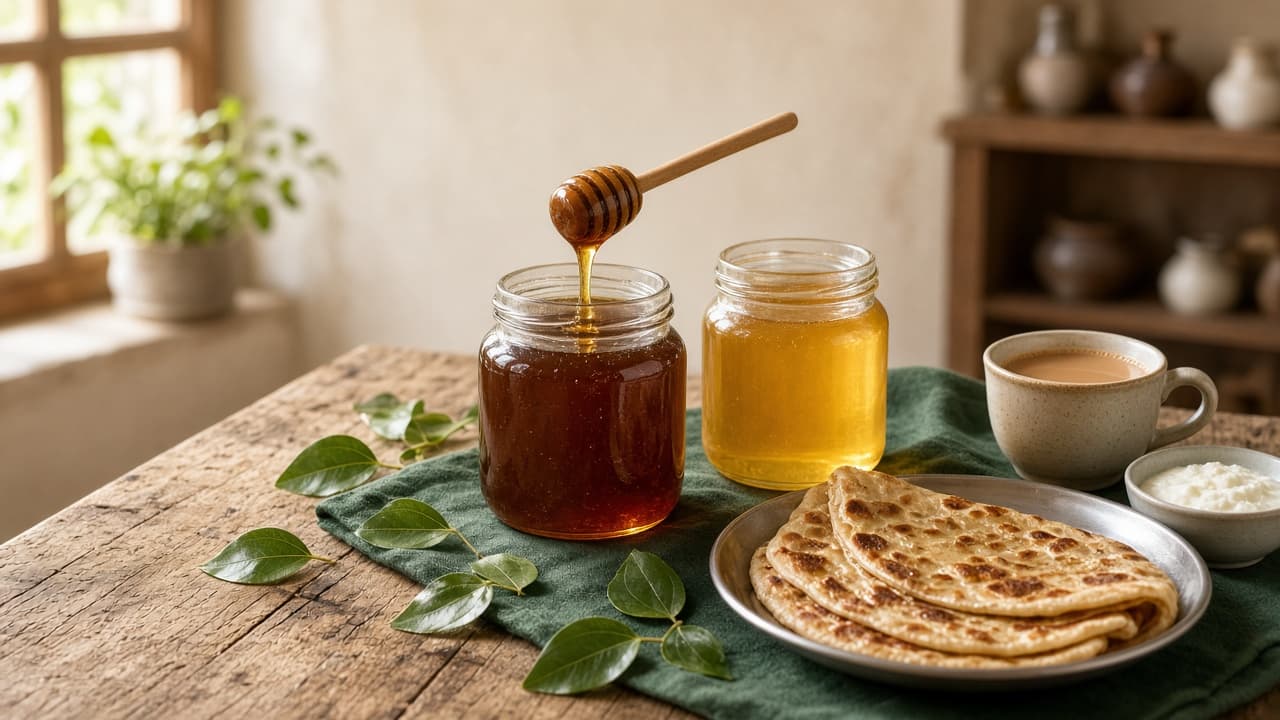
Sidr (beri) vs acacia (babul/palosa) honey: colour, taste, texture, kitchen uses and price in Pakistan, plus simple home checks and what they can't prove.
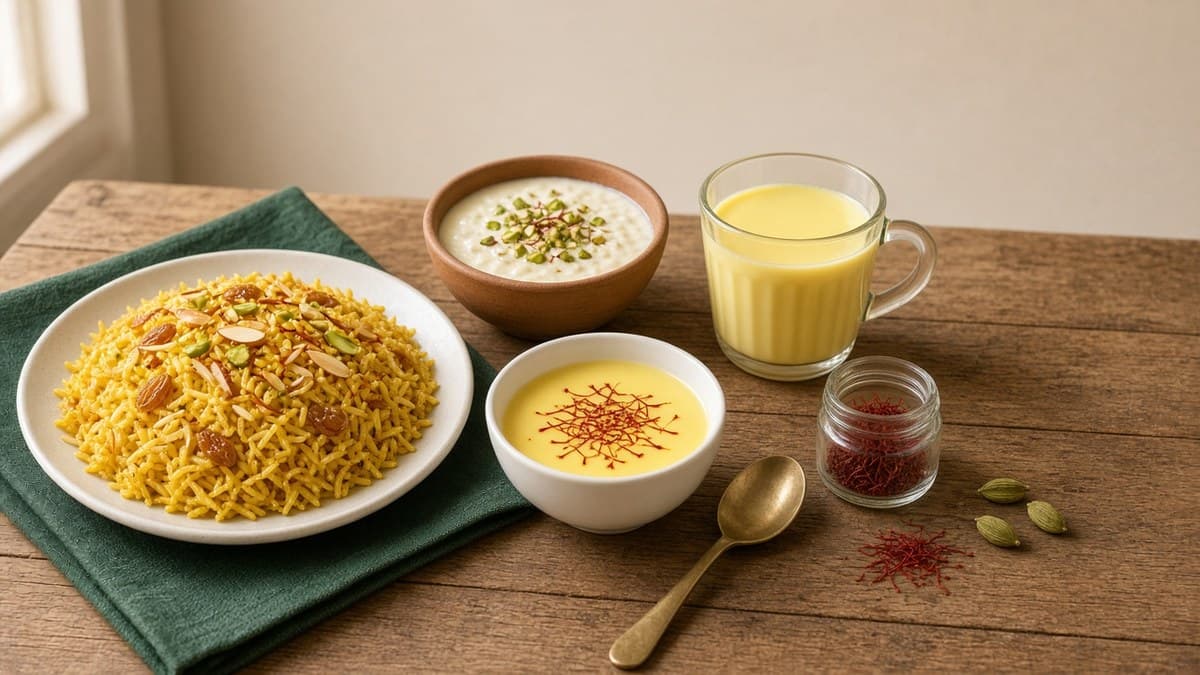
How to use saffron (zafran, kesar) in Pakistani cooking: how to soak the threads, how many to use, and when to add them to kesar doodh, kheer, zarda, biryani and Peshawari kahwa, plus common mistakes and storage tips.
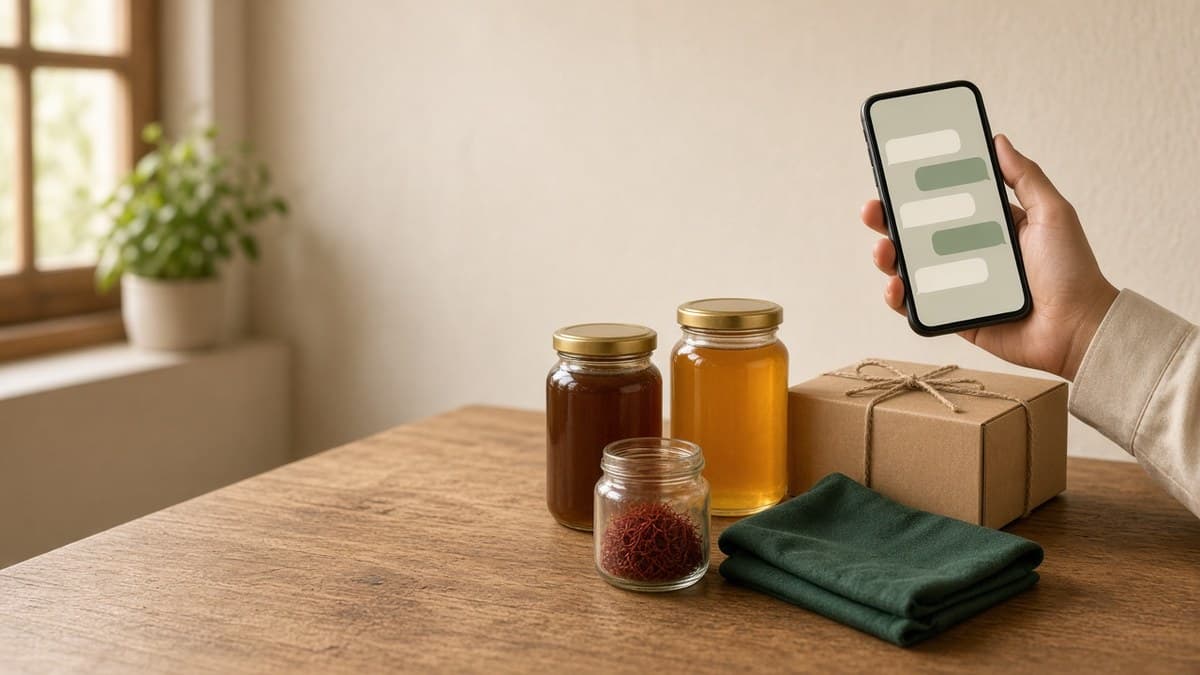
A step-by-step guide to ordering Desi Nectar honey, saffron, ghee and tea on WhatsApp (0305 5928890): what to send, how cash on delivery works, the Rs 220 delivery charge on orders under Rs 2,000 (free over Rs 2,000), same-day delivery in Peshawar and Islamabad, and what to do if a parcel arrives damaged.