Original Saffron (Zafran) in Pakistan: Price and How to Check It
Why real saffron is sold by the gram, Super Negin vs Sargol vs Pushal, and five two-minute home tests to spot fake zafran before you buy in Pakistan.

How to use saffron (zafran, kesar) in Pakistani cooking: how to soak the threads, how many to use, and when to add them to kesar doodh, kheer, zarda, biryani and Peshawari kahwa, plus common mistakes and storage tips.
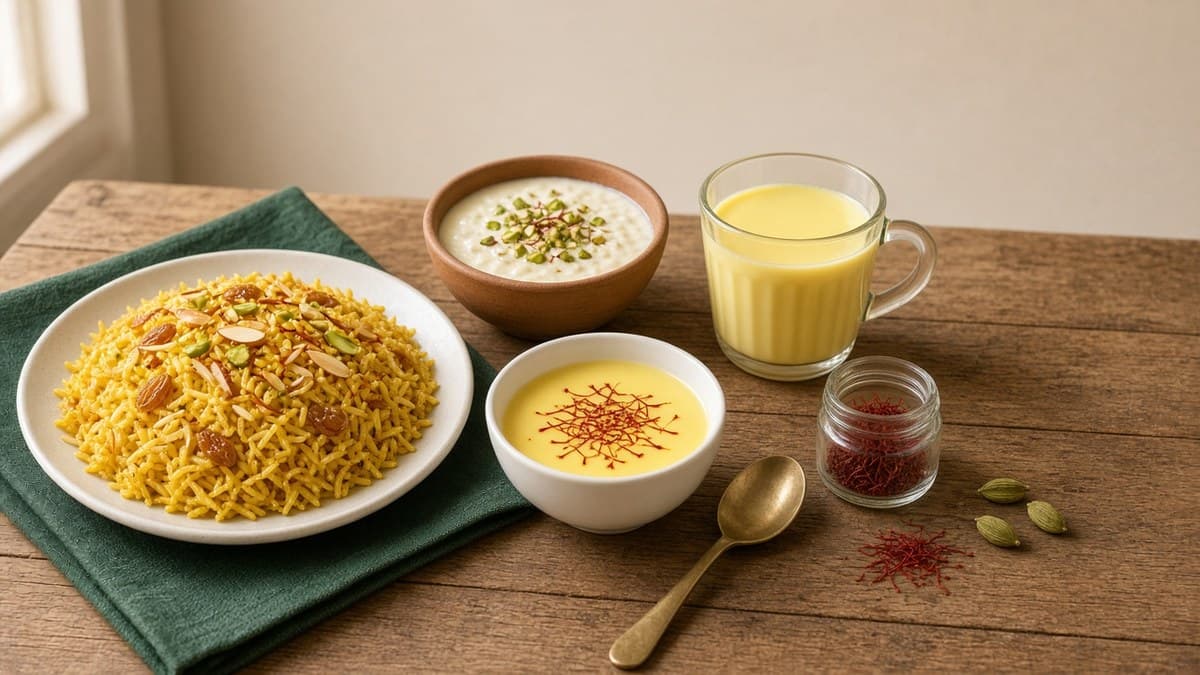
A good jar of saffron can still give you a pale, bitter dish if it goes into the pot the wrong way. Most of the difference comes down to three things: soaking the threads first, using the right number of threads, and adding them at the right moment.
This guide shows you how to use saffron (zafran, kesar) in the dishes Pakistani families cook most: kesar doodh, kheer, zarda, biryani and Peshawari kahwa. If you want to know how saffron is priced and how to check it before you buy, read our earlier guide, Original Saffron (Zafran) in Pakistan: Price and How to Check It.
Key points:
Saffron gives its colour and aroma to liquid, slowly. Dry threads dropped straight into hot ghee or a big pot of rice mostly stay as red specks, and some of the flavour is lost to the heat. Soaking first (cooks also call it "blooming") gets far more out of every thread.
Use milk for kesar doodh, kheer and other milk sweets. Use milk or water for biryani, pulao and zarda. Use warm water for kahwa and tea.
These are starting points for home cooking. Adjust them to your taste.
Kesar doodh is the simplest way to taste good saffron, and many families make it on winter nights.
Tip: don't boil the milk again after the saffron goes in. Gentle heat keeps the aroma.
One of the most common questions is when to put saffron in kheer. The answer is: late.
If saffron goes in at the start and simmers for 40 minutes, the colour stays but much of the aroma is gone. The same method works for firni, sheer khurma and shahi tukray.
In zarda, saffron gives a soft golden colour and a floral aroma that goes well with cardamom, kewra and nuts.
A note on colour: saffron alone gives a gentle gold, not the bright yellow you see at weddings. That bright colour usually comes from added food colour. If you want the saffron to shine, skip the colour or use only a little.
Saffron in biryani is about streaks of gold in white rice and the aroma when the lid comes off.
For pulao, drizzle the saffron water over the rice in the last few minutes of dum for a light golden top.
At 3–4 threads per cup, a 1 g jar gives roughly 40–50 cups of kesar doodh or kahwa. If you use it mainly for cooking, it covers many pots of kheer, zarda or biryani.
Keep saffron in its airtight glass jar, in a cool, dry, dark cupboard, away from the stove. Always use a dry spoon or dry fingers. Stored this way, it keeps its colour and aroma for a long time. Use it before the best-before date on the pack.
Our Herat Saffron (Zafran), Super Negin, 1 Gram comes as whole, deep-red threads in an airtight glass jar. At the time of writing (Oct 2026) it is Rs 1,200 for 1 g. Prices can change, so check the product page for today's price. You can also browse our saffron category.
How to order:
Not sure how many threads your recipe needs? Ask us on WhatsApp before you cook.
This is a food product, not a medicine. If you are pregnant, breastfeeding, on medication or have a medical condition, consult your doctor.
Send it to someone who’d find it useful.
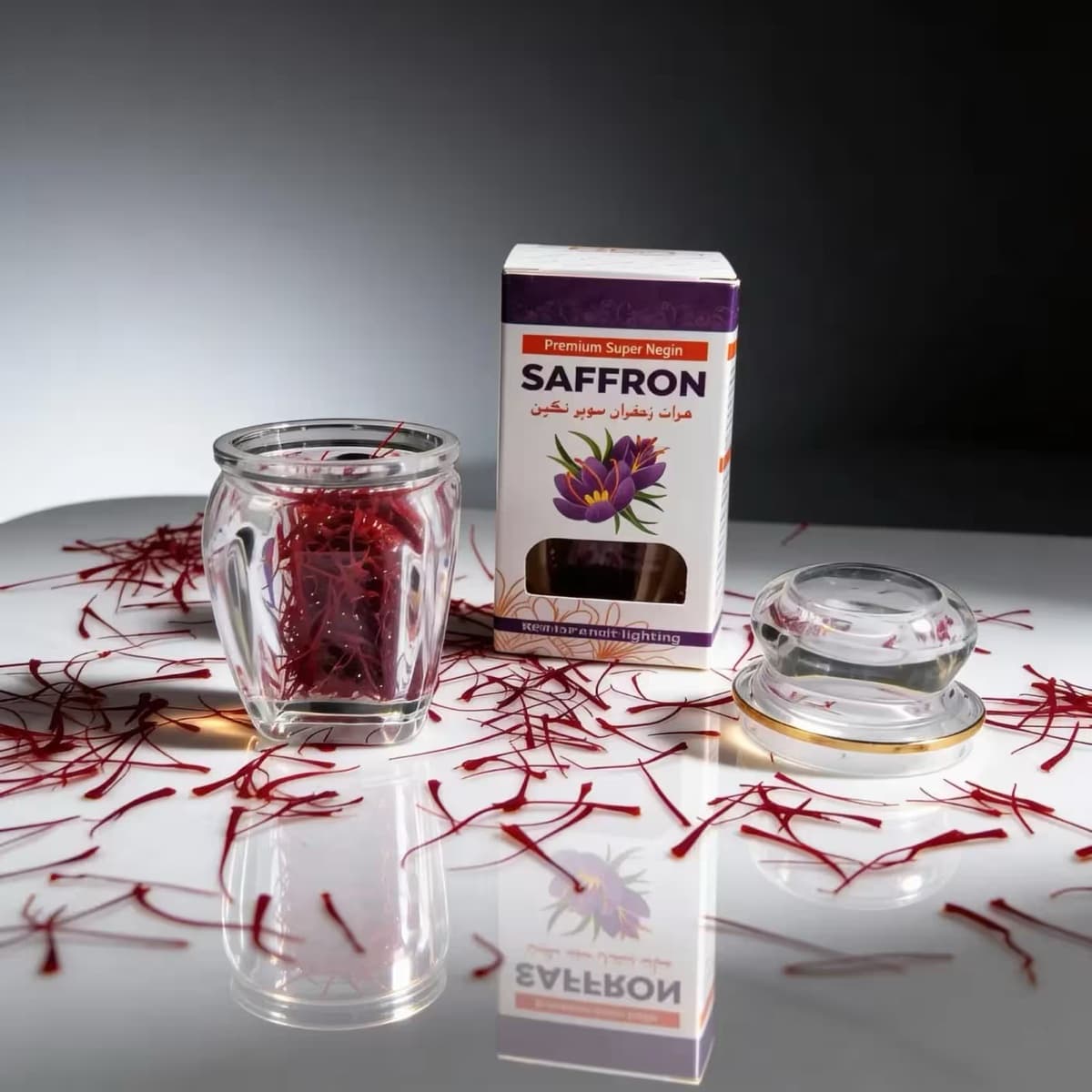
Why real saffron is sold by the gram, Super Negin vs Sargol vs Pushal, and five two-minute home tests to spot fake zafran before you buy in Pakistan.
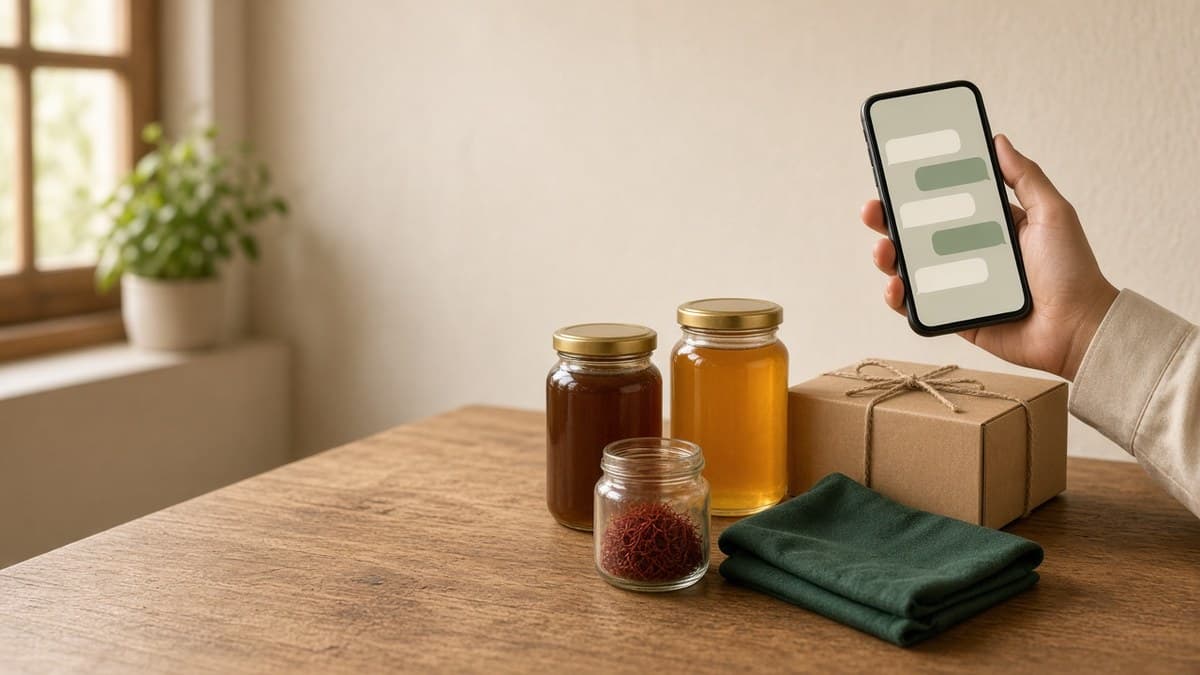
A step-by-step guide to ordering Desi Nectar honey, saffron, ghee and tea on WhatsApp (0305 5928890): what to send, how cash on delivery works, the Rs 220 delivery charge on orders under Rs 2,000 (free over Rs 2,000), same-day delivery in Peshawar and Islamabad, and what to do if a parcel arrives damaged.
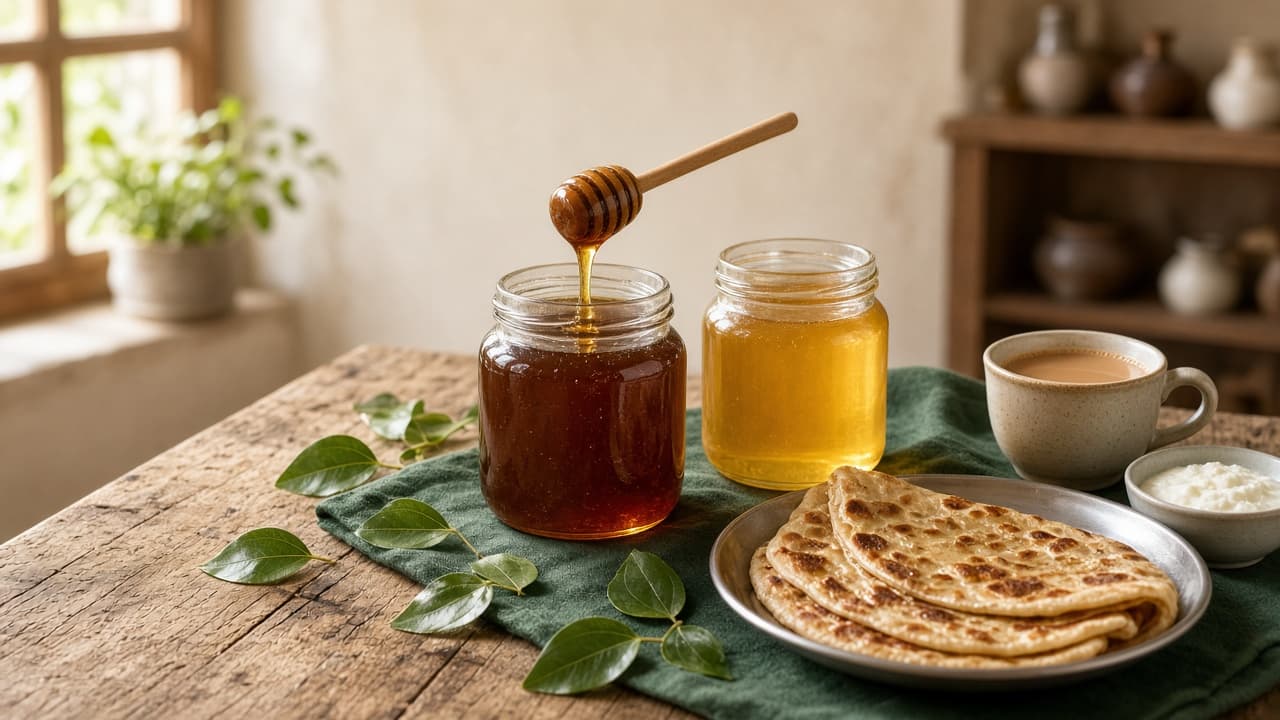
Sidr (beri) vs acacia (babul/palosa) honey: colour, taste, texture, kitchen uses and price in Pakistan, plus simple home checks and what they can't prove.