Mustard Oil and the Best Organic Foods in Pakistan
How mustard oil (sarson ka tel) differs from refined oils, how to cook with it, and which traditional staples like desi ghee and raw honey are worth trying.
How Pakistani kitchens cook with desi ghee, how to choose and store it, where our Bajaur desi ghee comes from, and the 1 kg and 500 g price.
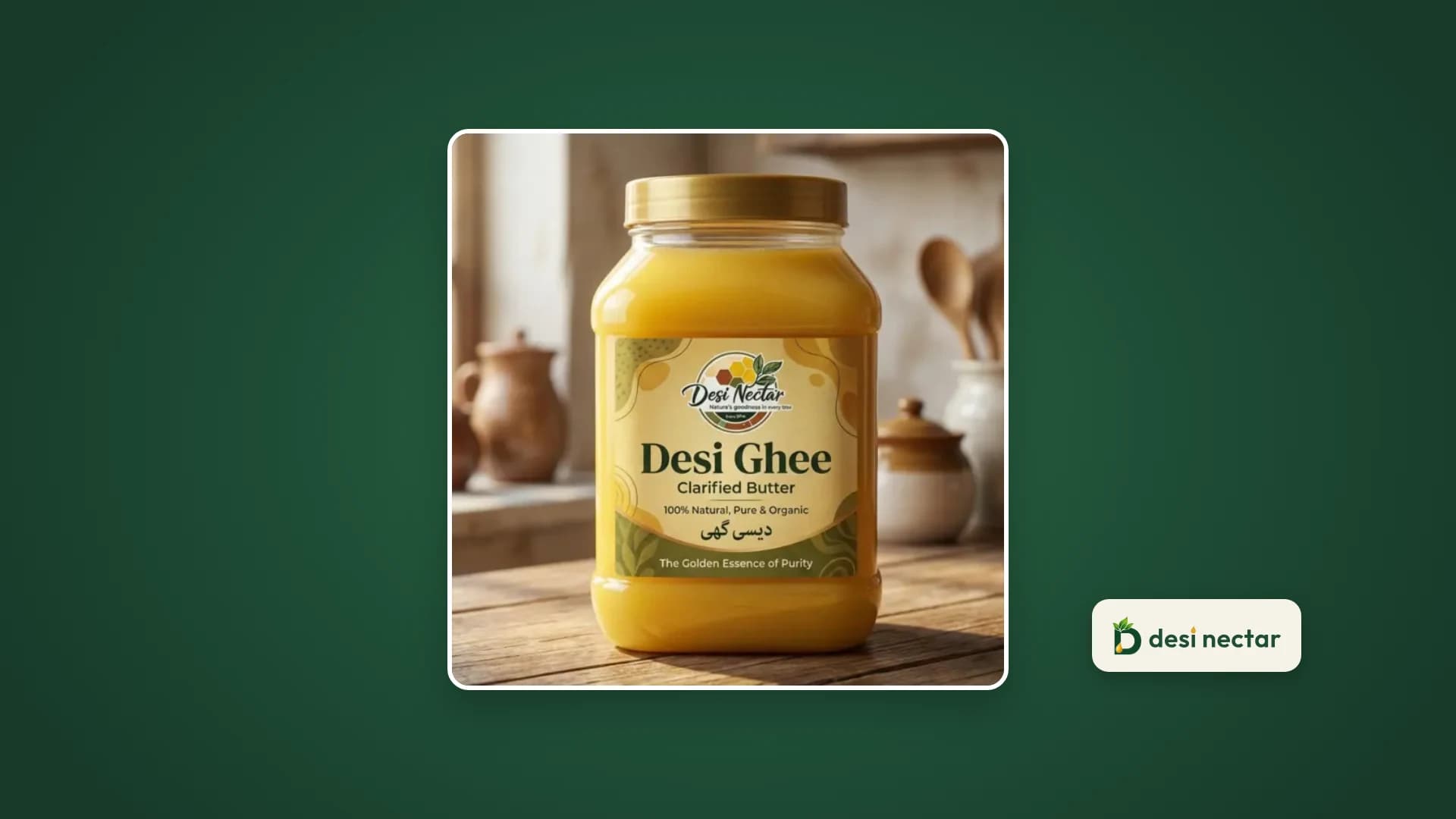
Desi ghee is clarified butter with a golden colour and a nutty smell. In Pakistani homes it is the fat behind the tarka on daal, the shine on a fresh paratha and the aroma of suji halwa on a winter evening. Desi Nectar's desi ghee is collected from the Bajaur valley in Khyber Pakhtunkhwa. This guide is about ghee as food: how kitchens here use it, how to choose and store it, what home checks can and can't tell you, and the desi ghee price in Pakistan for our 1 kg and 500 g jars.
In short
Ghee is made by heating butter (makhan) gently until the water bubbles away and the milk solids sink and turn light brown. The clear golden fat is strained and left to set. "Desi" usually means ghee made this home-style way from cow or buffalo milk. It is not the same as banaspati or "vegetable ghee", which are made from plant oils. Some products sold as ghee are blends or vegetable ghee with a ghee flavour or essence added, so the label matters.
Cow ghee is usually yellow to golden and has a lighter, more aromatic taste. Buffalo ghee tends to be paler, almost white, and heavier.
Our desi cow ghee is collected from the Bajaur valley in Khyber Pakhtunkhwa, in the north-west of Pakistan. It is clarified butter from cow milk, traditionally made (as stated on our listing), with a granular (danedar) texture and a golden colour. It is made in small batches, so stock is limited. If you want to know more about a batch, ask us on WhatsApp at 0305 5928890.
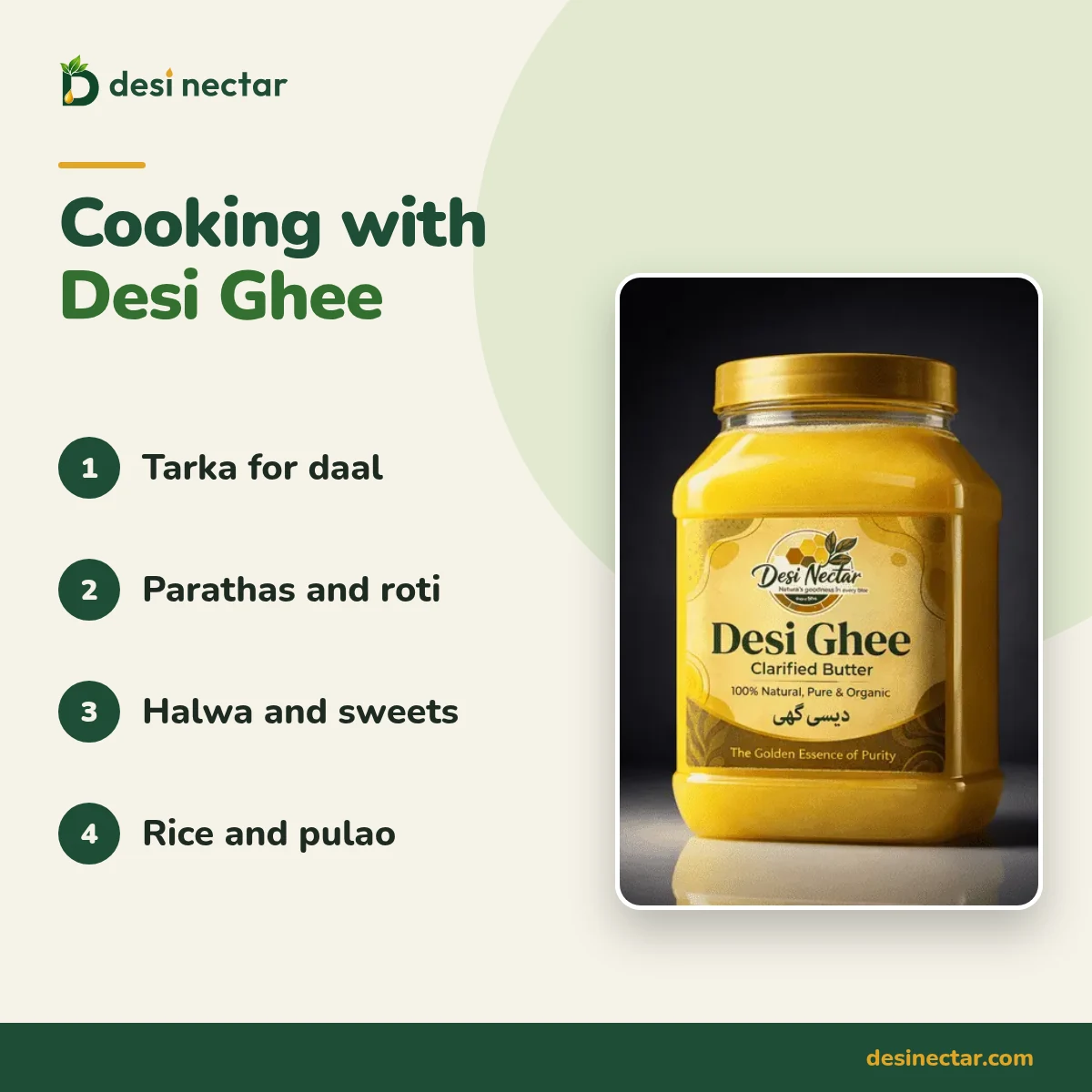
Because ghee has a strong flavour, many cooks fry in oil and save ghee for tarka, parathas and sweets. For everyday frying, see our guide to cooking with mustard oil.
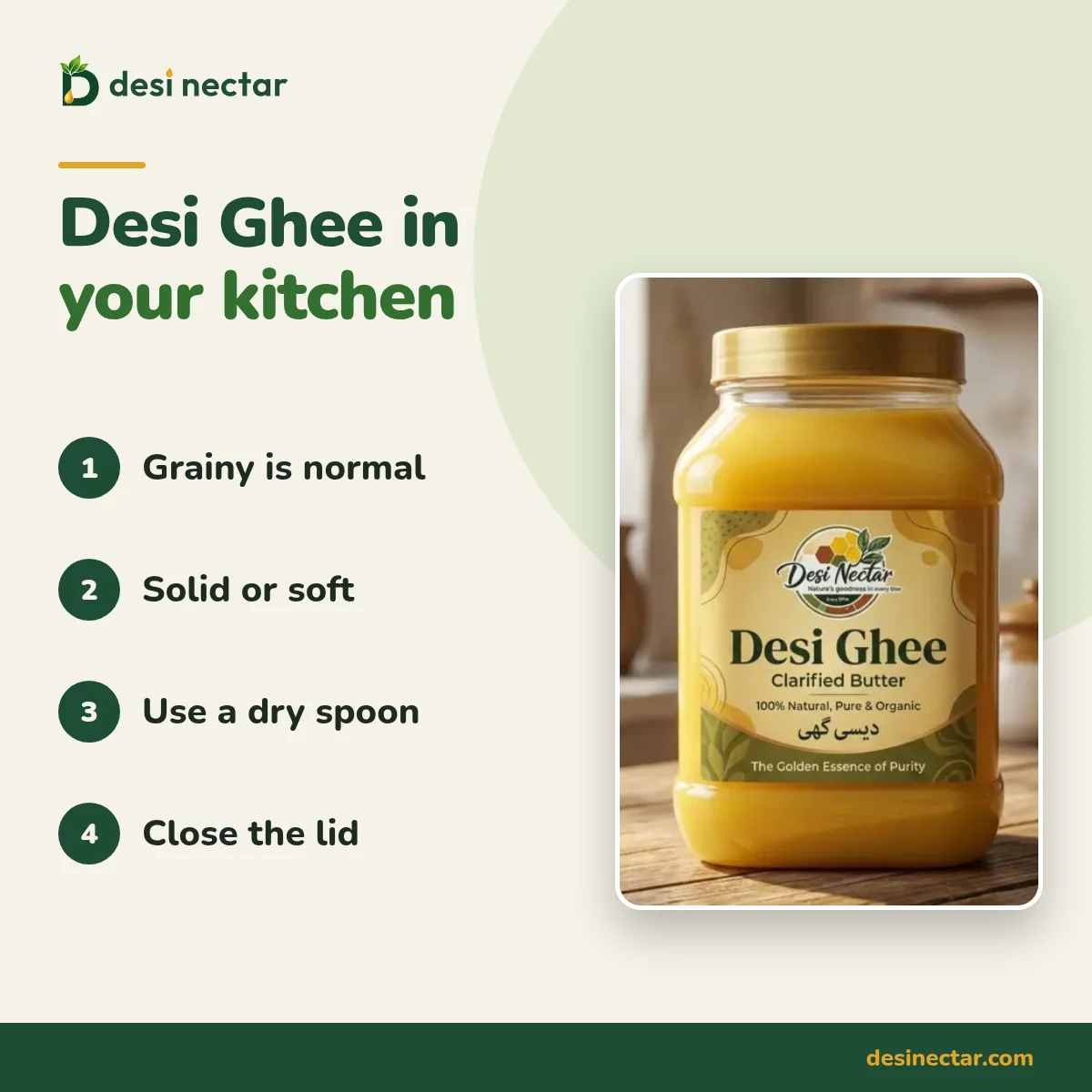
These checks can tell you whether ghee seems fresh and well made. None of them is proof of what is in the jar, and none can detect every kind of mixing. Use them as clues, together with the label and the seller's answers.
What home checks can't tell you: whether ghee is cow or buffalo for certain, whether a small amount of another fat has been added, or how fresh the milk was. Only a food testing lab can answer those questions.
The price of desi ghee in Pakistan depends on the type of milk, how it is made, the packing and the season (demand rises in winter). On 19 Oct 2026 our desi ghee page listed:
Prices can change, so the product page always has the current price.
Desi ghee is a food, not a medicine. It is a rich fat, so keep portions moderate. Ghee is not lactose-free, and a small amount of milk solids can remain, so if you have a dairy allergy or intolerance, or any health condition, check with your doctor first. The nutrition information from the label is on the product page.
Send it to someone who’d find it useful.
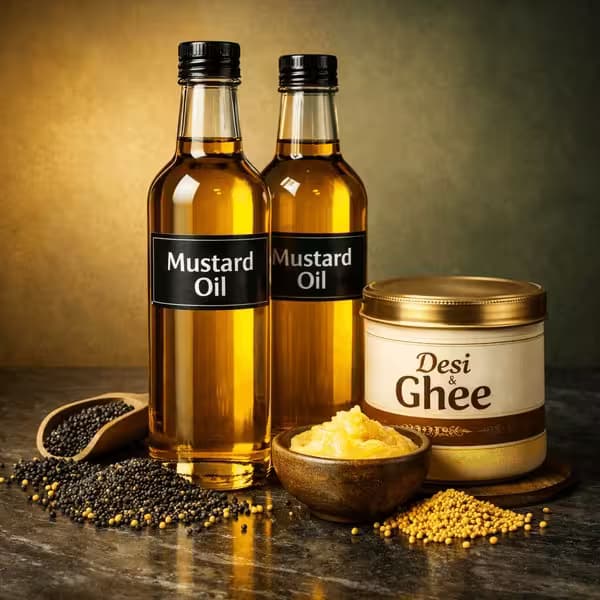
How mustard oil (sarson ka tel) differs from refined oils, how to cook with it, and which traditional staples like desi ghee and raw honey are worth trying.
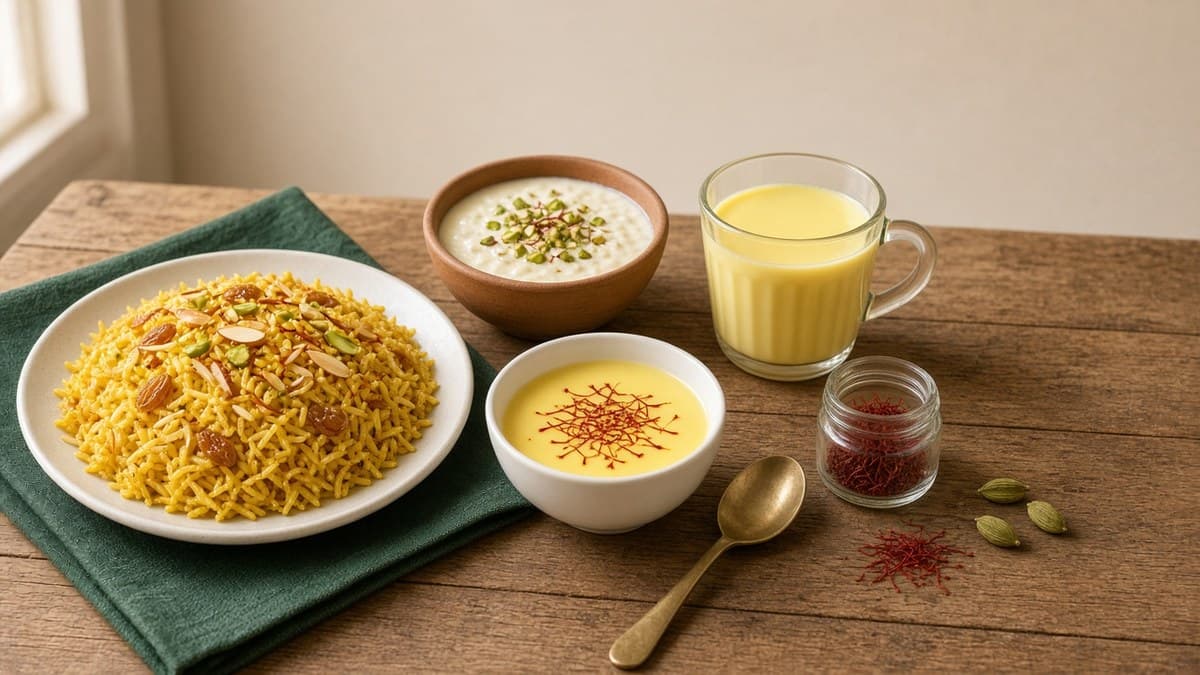
How to use saffron (zafran, kesar) in Pakistani cooking: how to soak the threads, how many to use, and when to add them to kesar doodh, kheer, zarda, biryani and Peshawari kahwa, plus common mistakes and storage tips.
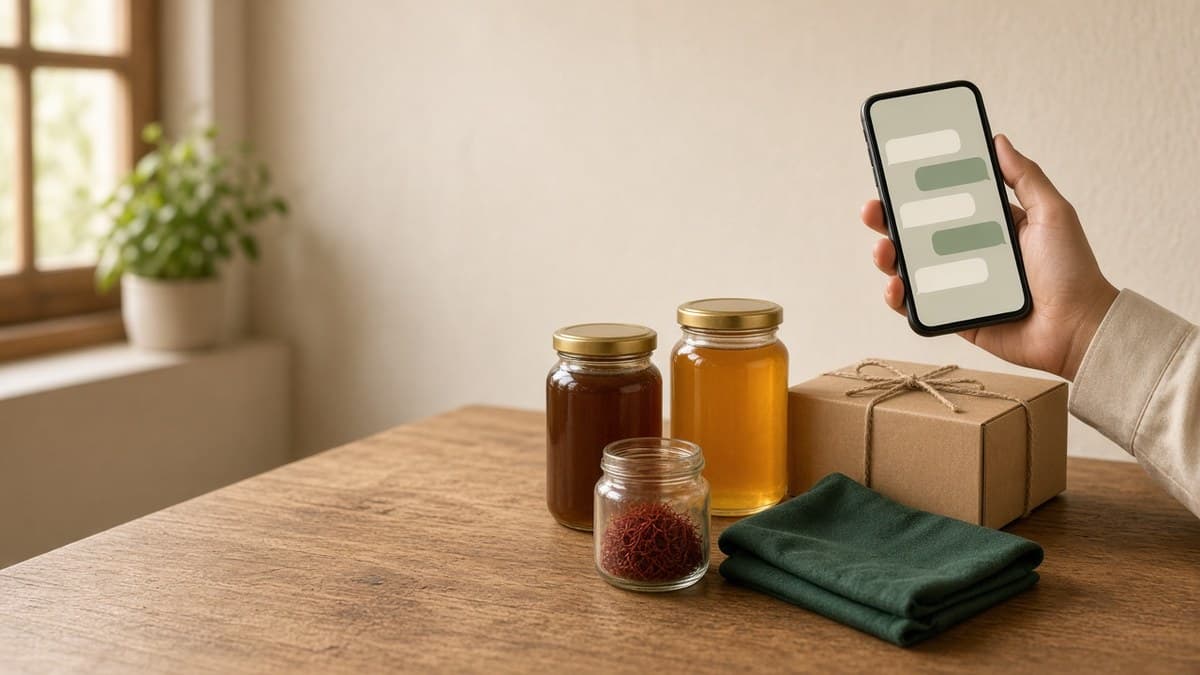
A step-by-step guide to ordering Desi Nectar honey, saffron, ghee and tea on WhatsApp (0305 5928890): what to send, how cash on delivery works, the Rs 220 delivery charge on orders under Rs 2,000 (free over Rs 2,000), same-day delivery in Peshawar and Islamabad, and what to do if a parcel arrives damaged.