Best Black Tea in Pakistan: Loose Leaf Quality and Health Benefits
What to look for in the best black tea in Pakistan, loose leaf vs tea dust, how to brew strong chai, and an honest look at its health benefits.

Tea bags or loose patti for your daily doodh patti? How they compare on taste and strength in milk, how much tea to use per cup, the cost per cup with a simple sum, and how to make each one.
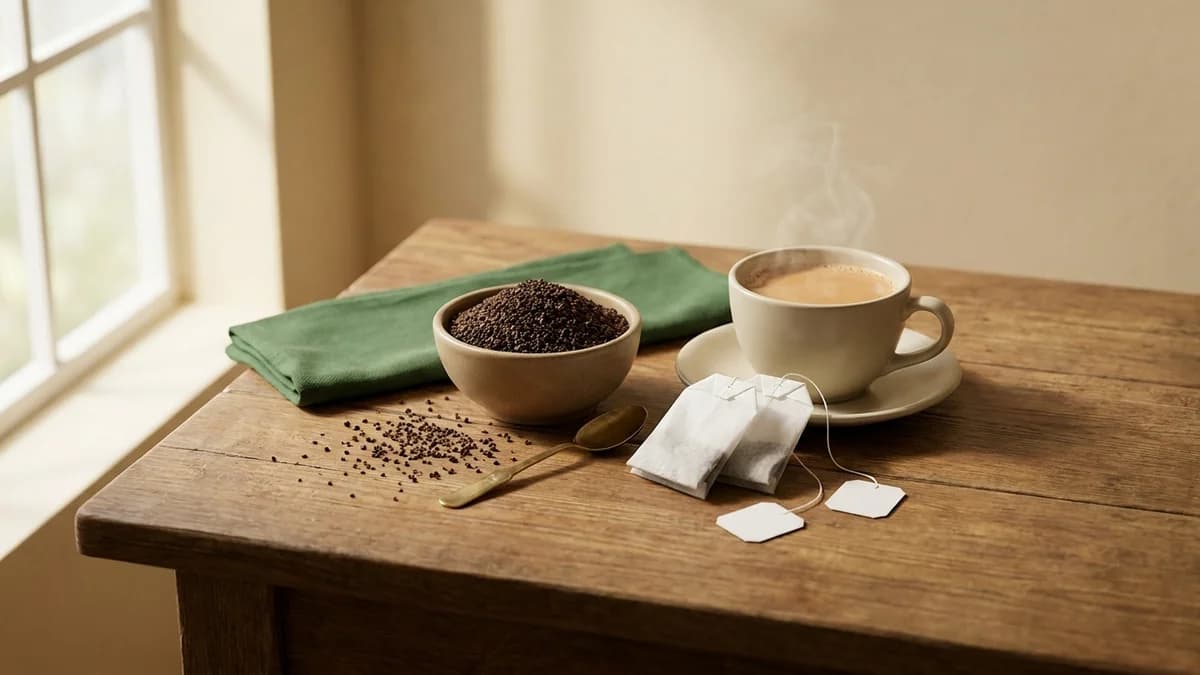
For doodh patti, loose tea usually wins. Danedar leaves boiled in water and milk give a darker, stronger cup, and you decide how strong it gets. Tea bags are quicker and tidier when you want one cup at the office or while travelling. Here is how tea bags vs loose tea compare on taste, amount per cup and cost per cup, so you know what to buy next time.
Key points:
If you make doodh patti for the family every morning and evening, buy loose patti. You boil it in the pan, add more for strong tea, and one pack makes many pots. If you drink one cup at a time, at the office or on a trip, keep tea bags. Just expect a lighter cup in milk, or use more than one bag.
Many Pakistani homes keep both: a pouch of loose danedar black tea for the daily pot, and a few bags in a drawer for guests who want one quick cup.
Dried tea is sieved into sizes, a bit like wheat ends up as atta, maida and suji. Big pieces are sold as whole or broken leaf, small pieces are fannings, and the smallest are dust.
"Dust" is a size grade, not dirt: the same tea, sieved finer. Most tea bags hold fannings or dust because small pieces give colour quickly through the paper. But very small pieces lose their aroma sooner, so an old box of bags can taste flat before a sealed pack of leaf does.
Most tea drunk in Pakistan is CTC tea, short for "crush, tear, curl": machines roll the leaf into small, hard granules, which we call danedar (granular) patti. They brew strong and give a deep colour, exactly what doodh patti needs.
So a tea bag and a pack of danedar are close relatives: the bag holds finer pieces in a fixed amount, and loose granules give you a free hand with the quantity.
Most comparisons online are about plain tea steeped in a cup. Pakistan drinks tea differently: we boil the patti in water, add a lot of milk, and boil again. A bag gives a quick dark brew in hot water, but milk dilutes it. Loose patti has room to move in the boiling pan, so its colour holds up when the milk goes in. One bag holds a small, set amount of tea (often about 2 g; check the box), and a bag left in too long can taste harsh. Here is how the two compare:
Use about 1 teaspoon of loose patti per cup. That is the guidance on our black tea product page. For strong, dhaba-style doodh patti, use a little more, about 1.5 teaspoons. For a family pot of 4 cups, start with about 4 teaspoons and adjust next time.
A level teaspoon of danedar is roughly 2 g, but spoons differ, so weigh one spoonful on a kitchen scale once if you want to be exact.
Loose black tea to water ratio, in one line: about 1 teaspoon (roughly 2 g) for every cup of water, plus a little extra for doodh patti.
For plain tea, 1 bag per cup is normal. For doodh patti, bags are lighter, so many people use 3 bags for 2 cups. Take the bags out before the milk comes to a hard boil.
Usually not, per cup. But do the sum with the packs you buy; it takes one minute.
For loose patti:
For tea bags:
Example only (made-up round numbers, not real prices): say a 500 g pack of loose patti costs Rs 1,000 and you use 3 g a cup. 500 ÷ 3 = about 166 cups, so each cup costs about Rs 6. Now say a box of 100 bags costs Rs 800. That is Rs 8 a bag, and at 3 bags for 2 cups, about Rs 12 a cup of doodh patti. Put in the real numbers from your own packs to see which is cheaper for your home.
Tea shops abroad say loose leaf gets cheaper because you can re-steep it. That does not apply to doodh patti: we boil the leaves once with milk, so count each cup as fresh tea.
For more brewing detail and what to look for in black tea, see our guide to choosing black tea in Pakistan.
Kitchen tips: keep the string and tag away from the gas flame, and never microwave a mug with a stapled bag in it.
Bags make sense when:
For something lighter than doodh patti, try loose green tea (sabz chai) or olive tea (zaitoon chai).
These are the same checks our black tea guide covers in more detail:
Our Premium Black Tea is a loose-leaf danedar blend in a resealable kraft pouch. It brews strong and malty and holds up well to milk. At the time of writing (Oct 2026) it is Rs 1,700 on the website; check the product page for today's price.
How to order:
Want to see our other teas? Browse all teas and beverages.
Black tea contains caffeine. If you are sensitive to it, pregnant, breastfeeding or have a medical condition, ask your doctor. A cup of tea is a drink, not a treatment.
Please note: this guide is about taste, cost and kitchen use only. Tea is a food product, not a medicine.
Send it to someone who’d find it useful.
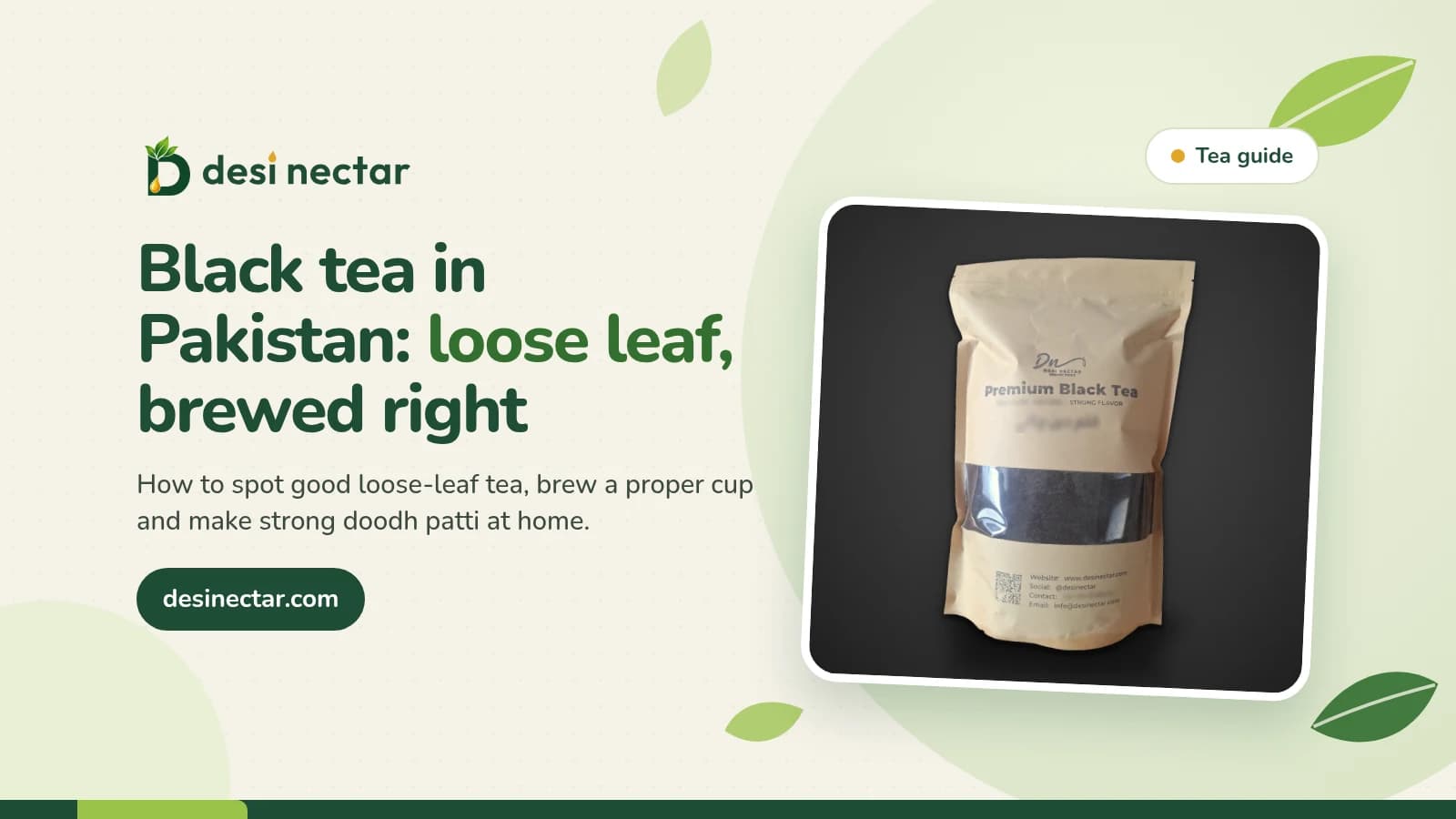
What to look for in the best black tea in Pakistan, loose leaf vs tea dust, how to brew strong chai, and an honest look at its health benefits.
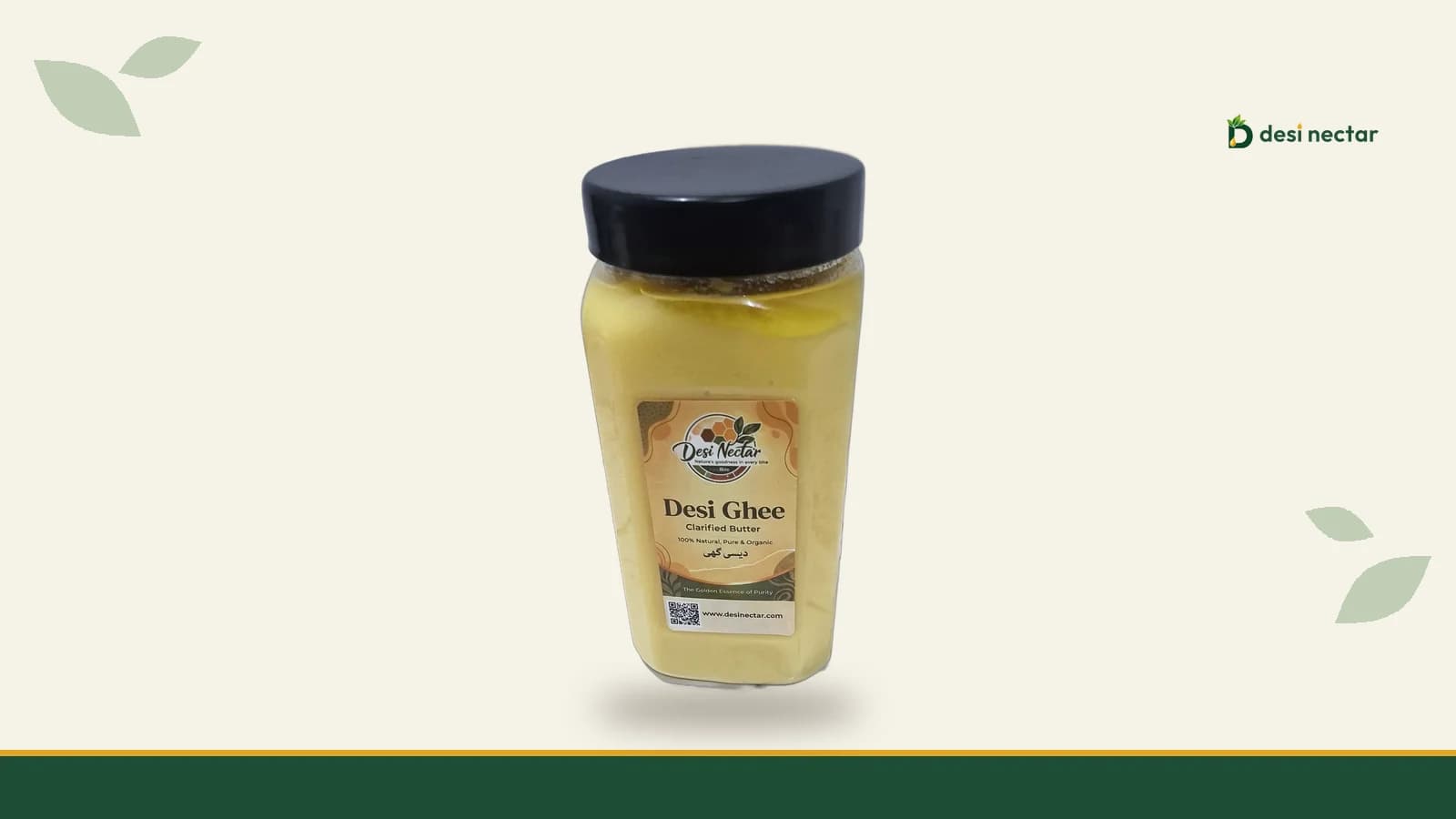
Desi ghee ki pehchan made simple: the label, seller and price checks, the home checks that give useful clues, the popular tests that mislead, and what only a lab can tell you.
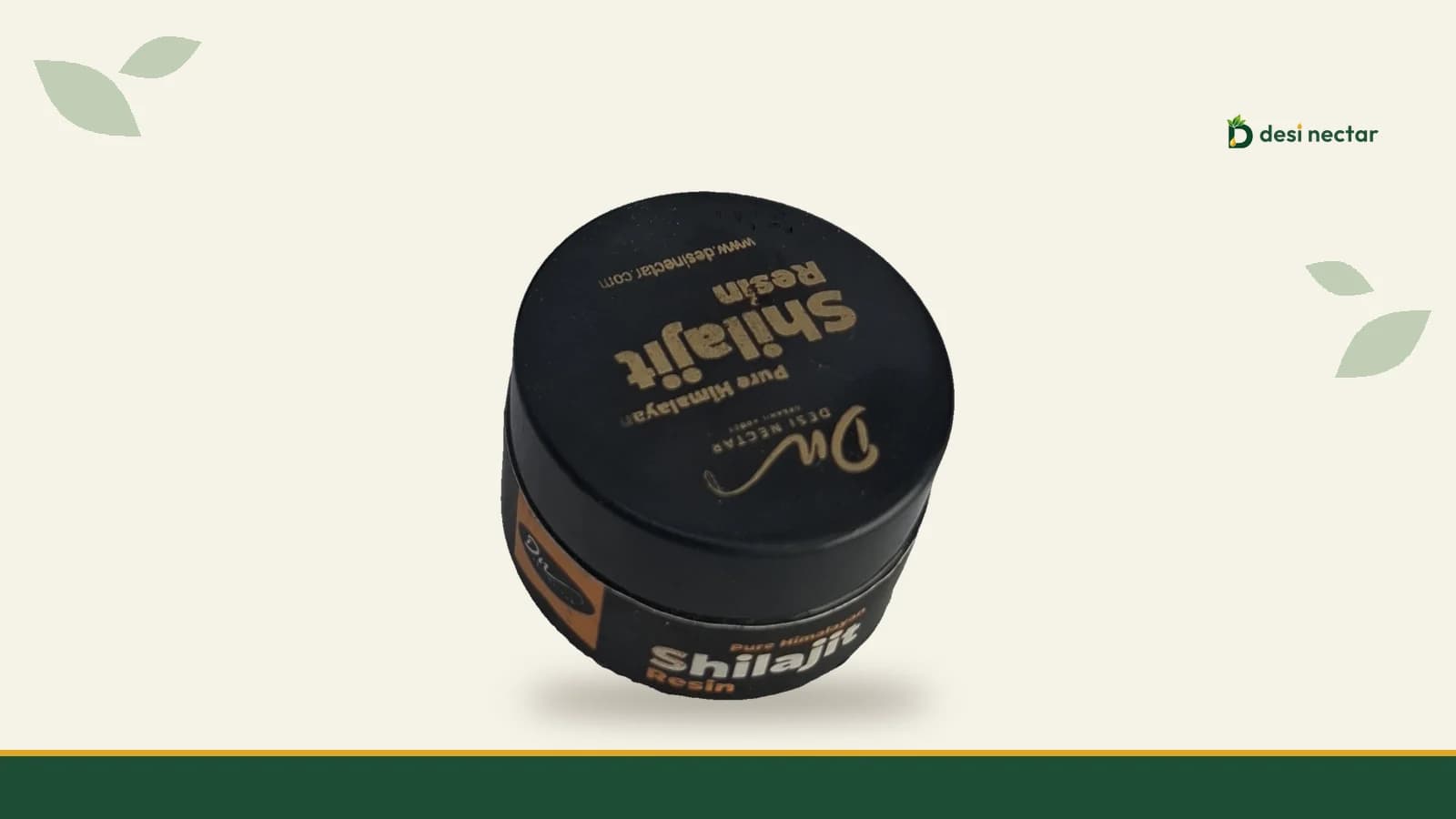
A simple guide to storing shilajit resin in a Pakistani home, why it goes hard in winter, how to soften a hard jar safely, and whether it needs the fridge.